
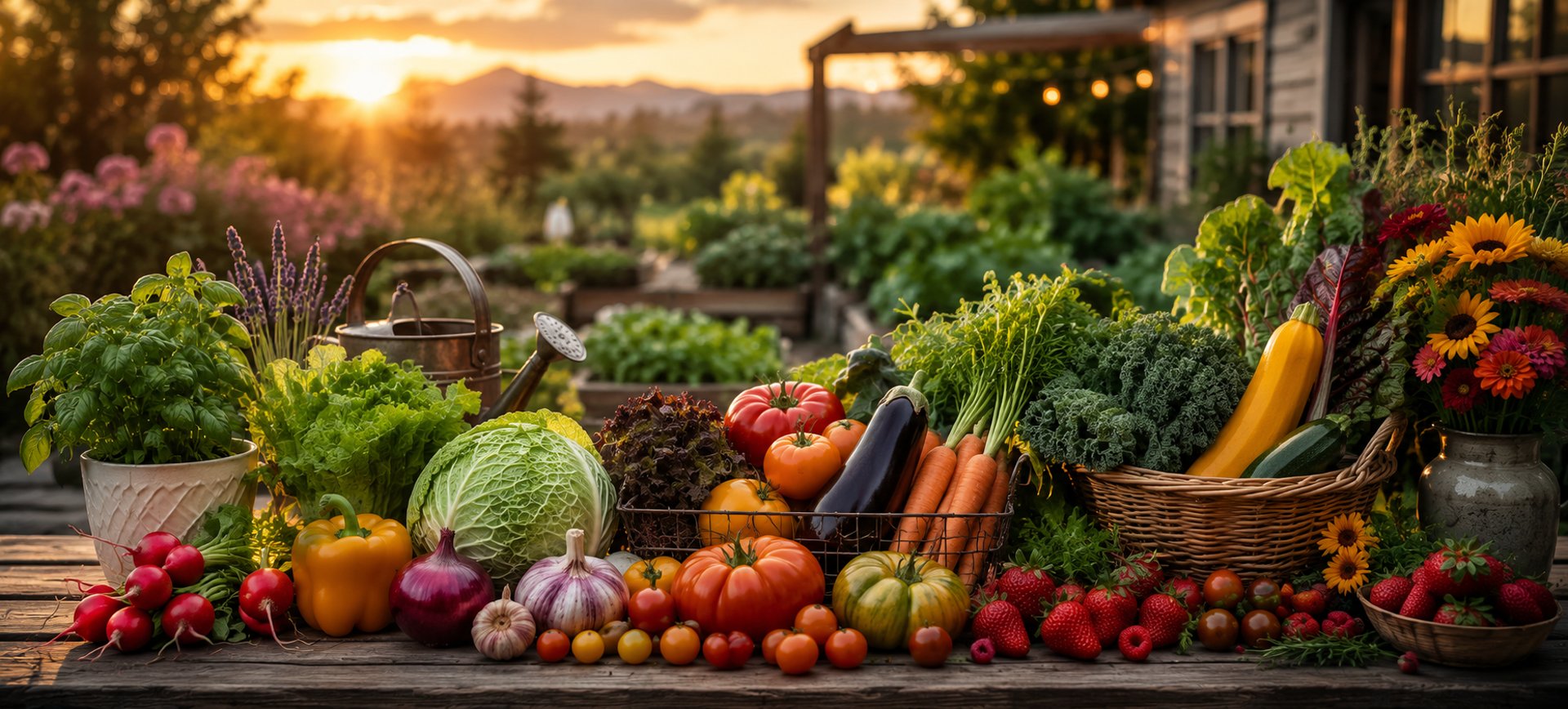
The Foundation of a Thriving Garden: Understanding Soil Quality
How to Improve Healthy Soil in Your Garden
Simple Steps for Stronger Plants and Easier Gardening
If there’s one thing I wish every home gardener understood sooner, it’s this: your garden is only as good as your soil.
I’ve seen it time and time again—people plant beautiful seedlings, water faithfully, and still end up disappointed. And most of the time, the problem isn’t what’s happening above ground… it’s what’s happening below it.
The good news? You don’t need to be an expert or spend a lot of money to fix it. Let’s walk through this together—step by step—just like we’re out in the garden.
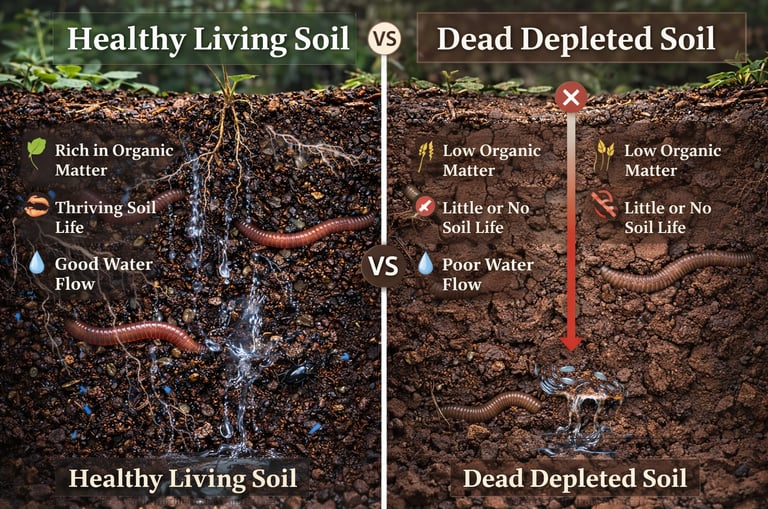
Why Soil Health Really Matters
Think of your soil like the “kitchen” for your plants. If the kitchen is stocked
with good ingredients, everything turns out better.
Healthy soil:
Feeds your plants naturally
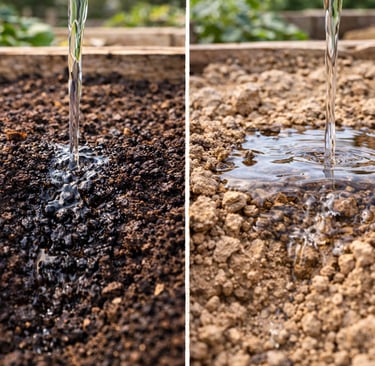
Holds just the right amount of water
Supports strong root growth
Helps prevent pests and disease
When your soil is off, plants struggle. When your soil is right, things just work.
It’s honestly one of the most satisfying shifts you’ll experience as a gardener.
Step 1: Get to Know Your Soil
Before you start adding anything, take a minute to see what you’re working with.
Here’s a quick test I always recommend:
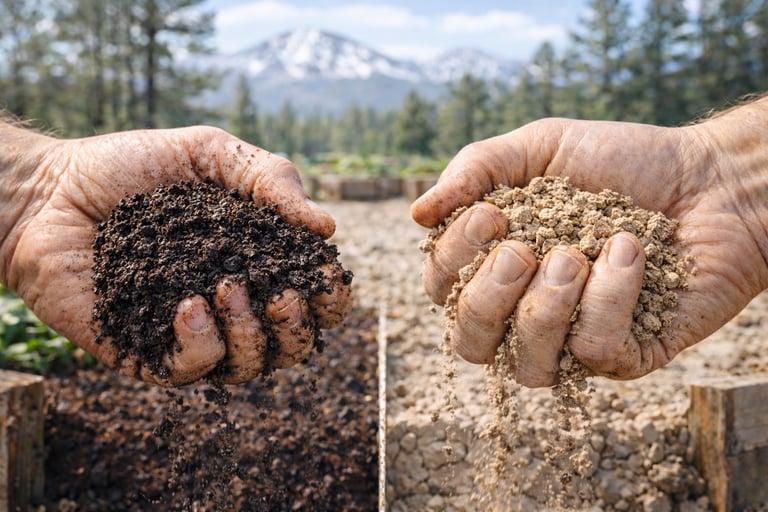
Grab a handful of soil and squeeze it.
If it falls apart right away, it’s sandy
If it feels sticky and clumps hard, it’s clay
If it’s soft and crumbly, you’re in great shape
Want to go one step further? Try the jar test:
Put soil and water in a jar
Shake it up and let it sit
Watch how it separates
It’s simple, but it tells you a lot—and helps you avoid guessing.
Step 2: Compost Is Your Best Friend
If I could give you just one piece of advice, it would be this:
Start adding compost regularly.
Compost is what turns “okay” soil into incredible soil.
It improves:
Texture
Nutrients
Water retention
Microbial life
And here’s the best part—it doesn’t have to be complicated.
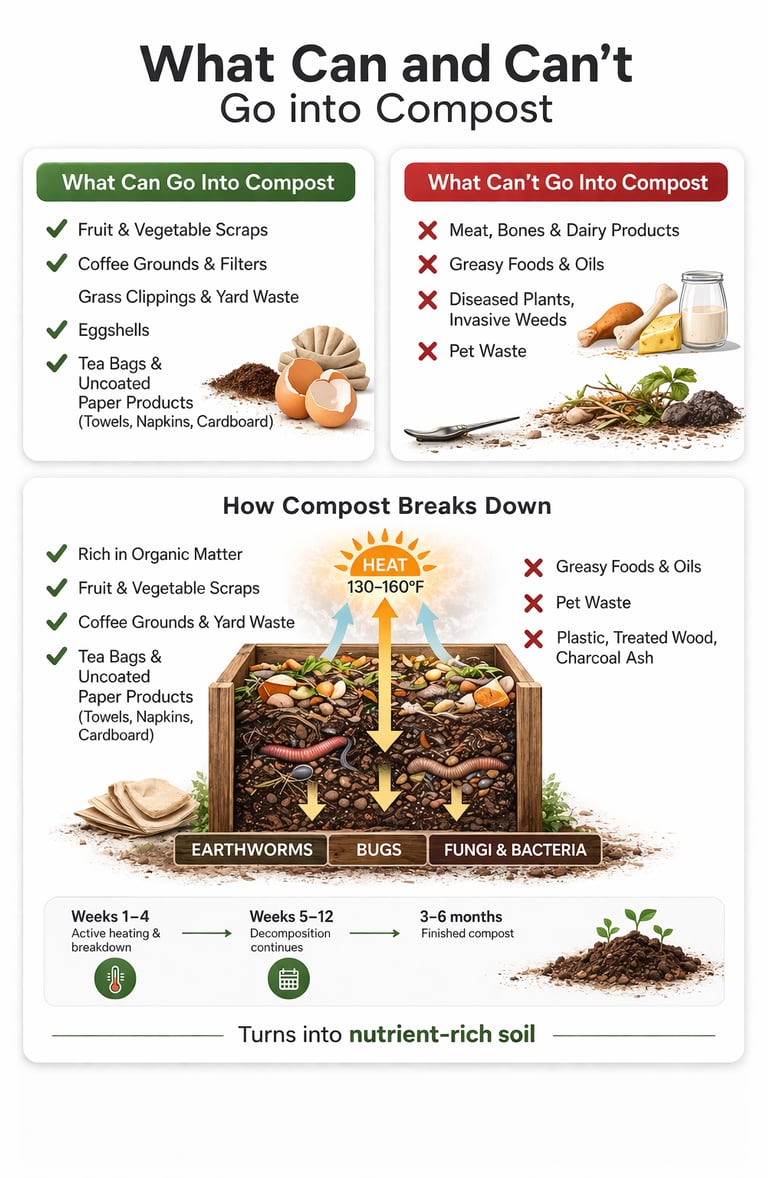
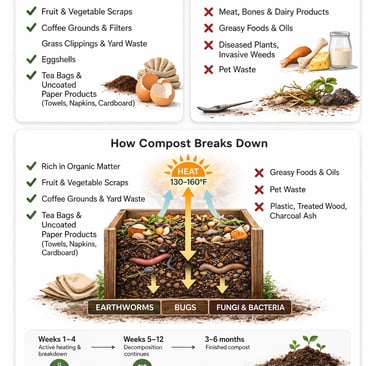
You can use:
Kitchen scraps, such as fruit and vegetable peels
Yard waste, such as leaves and grass
Store-bought compost if needed
How I usually do it:
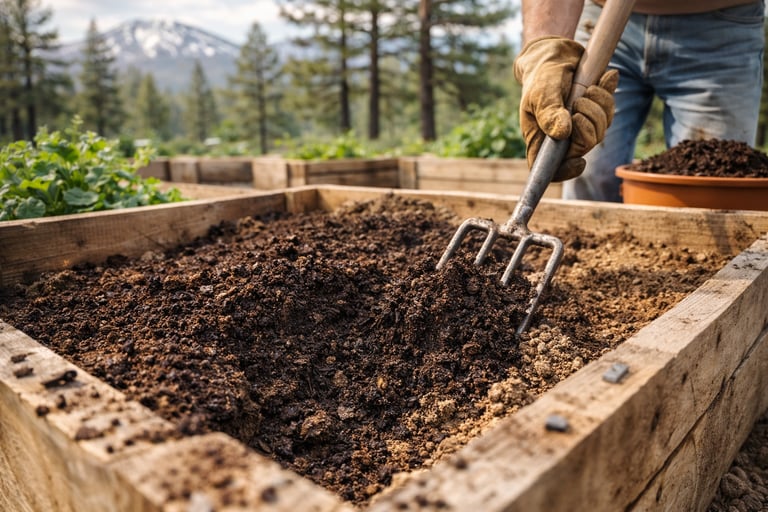
I spread a couple inches over the bed and lightly work it into the top layer. Nothing fancy.
Over time, this one habit will completely transform your garden.
Step 3: Fix Drainage Issues Early
This is one of those things you don’t notice until it becomes a problem.
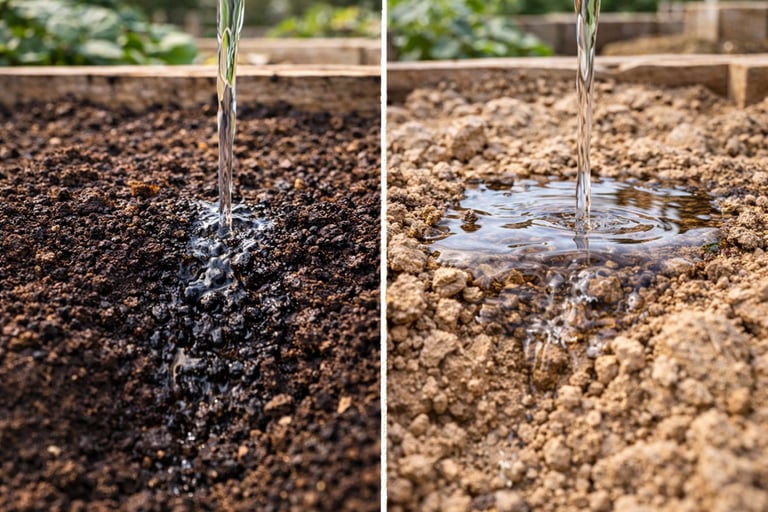
If your soil holds too much water, especially clay soil:
Add compost
Avoid working it when it’s wet
If water disappears too fast, especially sandy soil:
Add more organic matter
Use mulch
What you’re aiming for is soil that feels like a damp sponge—not dry, not soggy.
Step 4: Mulch
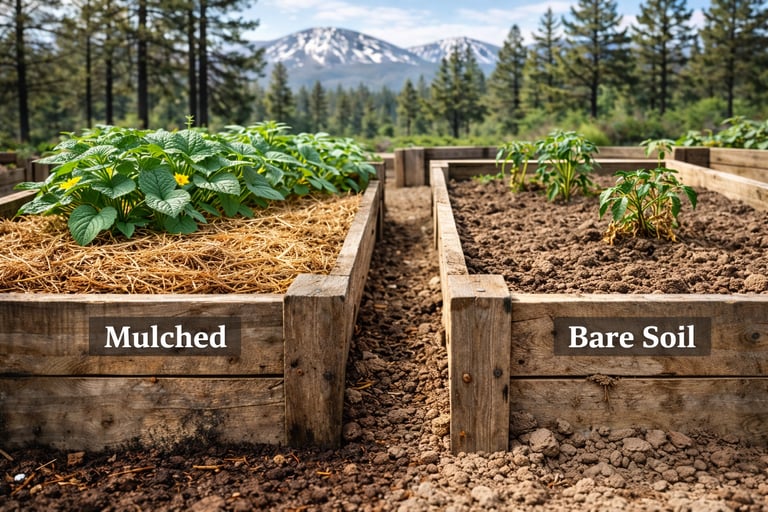
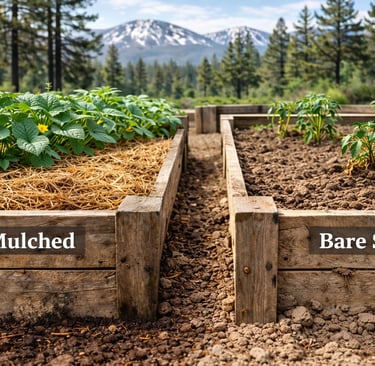
Mulch is one of those simple things that makes a huge difference—and a lot of gardeners skip it.
Once I started mulching consistently, I noticed:
Fewer weeds
Better moisture retention
Cooler soil during hot weather
Healthier plants with less stress
Easy mulch options include:
Straw
Leaves
Wood chips
Grass clippings
Just don’t pile grass clippings too thick.
Quick tip:
Keep mulch a little away from plant stems so they have some breathing room.
Step 5: Focus on Feeding the Soil
Here’s a mindset shift that changed everything for me:
Don’t just feed your plants—feed your soil.
When your soil is healthy, it does most of the work for you.
You can boost it with:
Worm castings
Compost tea
Organic fertilizers
But honestly, if you stay consistent with compost and mulch, you’re already ahead of the game.
A Few Mistakes I See All the Time
Let’s save you some frustration.
Common soil mistakes include:
Over-tilling, which can damage soil structure
Using fresh manure, which can be too strong and may burn plants
Ignoring soil health year after year
Overwatering
If something isn’t working in your garden, it’s worth checking if one of these is the cause.
What You Can Expect
This isn’t an overnight fix, but it’s faster than most people think.
Within a few weeks, you may notice better moisture and texture.
Within a season, you may see stronger plants.
After a year, your garden can feel completely different.
It’s one of those slow improvements that really pays off.
FAQ
Do I really need to test my soil?
Not officially, but even a simple hands-on test helps you understand what you’re working with.
How often should I add compost?
I like to do it at least twice a year—spring and fall.
Can I improve really bad soil?
Absolutely. I’ve seen poor soil turn around completely with consistent composting.
Final Thoughts
If you take nothing else from this, remember this:
Healthy soil equals easier gardening.
Once you get your soil right, everything else becomes simpler—watering, pest control, even harvesting.
Start small. Add compost. Pay attention.
And before long, you’ll notice something every gardener loves to see—plants that just thrive.
How to Improve Soil Health in Your Home Garden
White Mountain Garden Talk is owned and operated by SignalCast Media, LLC
Contact The Show
Copyright 2026 all rights reserved
SignalCast Media, LLC
+1 928-235-5998