Mindful Early Spring Planting Can Give Bees a Strong Start After Winter
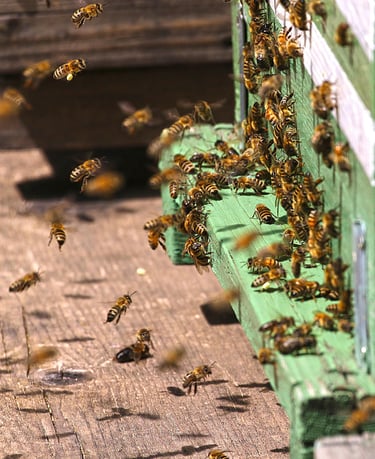
As winter loosens its grip, honey bees and native pollinators emerge hungry and in need of reliable food sources.
As winter loosens its grip, honey bees and native pollinators emerge hungry and in need of reliable food sources. Early spring is a critical time in the hive—colonies are rebuilding, queens are beginning to lay again, and pollen and nectar are essential for brood rearing and overall hive health. A thoughtfully planted garden can make a huge difference.
One of the best ways to support bees early in the season is by planting cold-hardy flowers and shrubs that bloom as soon as temperatures begin to rise. Plants like crocus, snowdrops, and winter aconite are often among the first to flower, providing much-needed nectar when little else is available. Early-blooming bulbs such as grape hyacinth and Siberian squill are also excellent nectar sources and can be planted in clusters for maximum impact.
Trees and shrubs are often overlooked, but they are powerhouses for spring forage. A single tree or shrub can feed thousands of bees when mature. Willows, red maples, fruit trees (apple, pear, peach), and serviceberry produce abundant pollen and nectar just as bees are ramping up activity. Even allowing dandelions and clover to bloom—rather than mowing them down—can provide a valuable bridge between winter and the main nectar flow.
Cover crops are another powerful tool for supporting bees while improving garden health. Plants like white clover, crimson clover, and vetch provide steady nectar and pollen in early spring while also fixing nitrogen, suppressing weeds, and improving soil structure. Sown in fall or very early spring, these living mulches feed pollinators above ground and soil life below ground—making them a win-win for bees, gardeners, and the ecosystem.
By planting with early spring in mind, you’re not just growing a garden—you’re helping pollinators survive and thrive during one of the most vulnerable times of the year. A few intentional choices now can lead to healthier hives, stronger pollination, and a more resilient garden all season long.
White Mountain Garden Talk is owned and operated by SignalCast Media, LLC
Contact The Show
Copyright 2026 all rights reserved
SignalCast Media, LLC
+1 928-235-5998